History & Tradition
The Office of High Sheriff is the oldest secular Office in England and Wales after the Crown and used to wield great power.
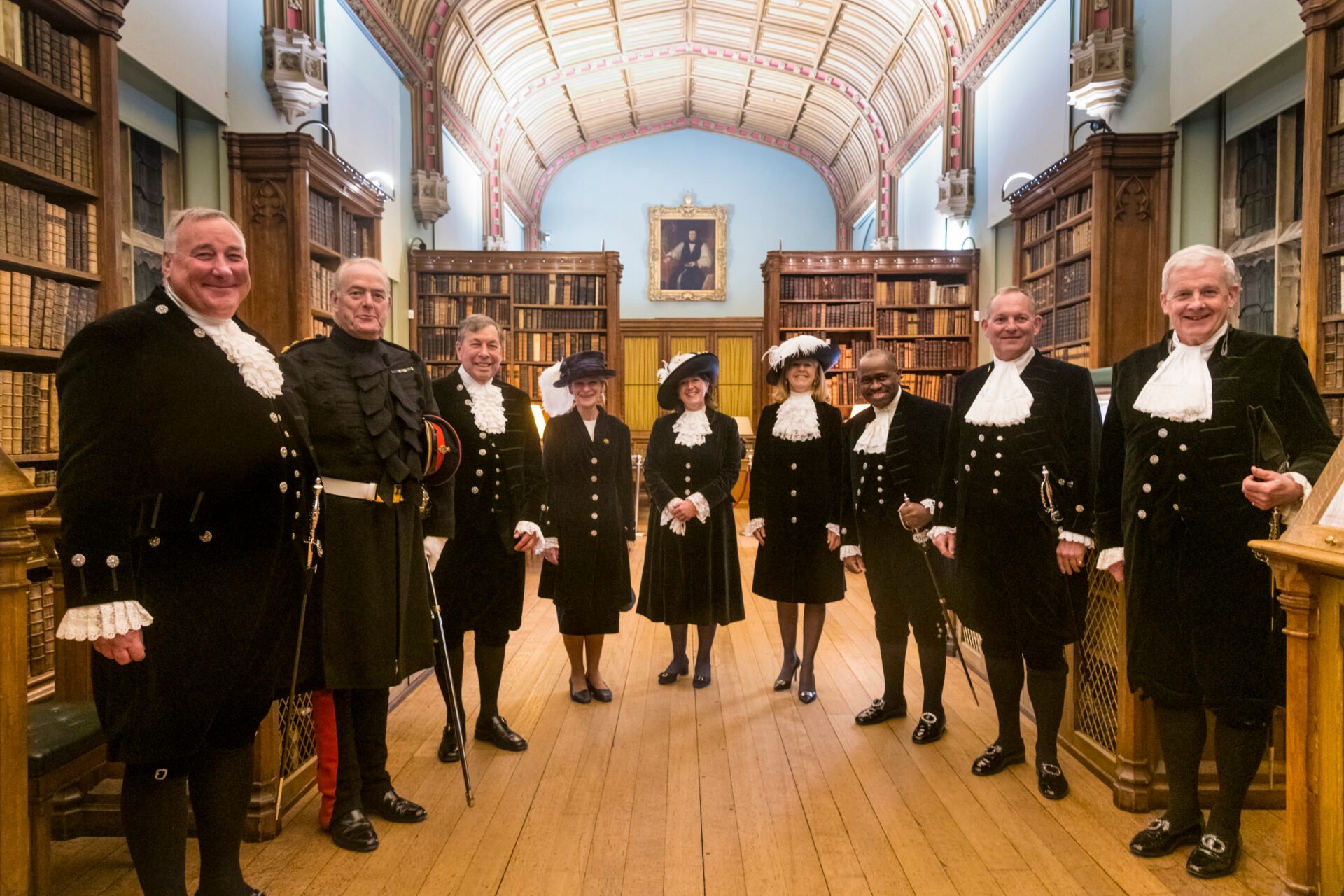
The ceremonial uniform that is worn by male High Sheriffs today is called Court Dress. It has remained essentially unchanged since the mid-eighteenth century and consists of a black or dark blue velvet coat with cut-steel buttons, breeches, shoes with cut-steel buckles, a sword and a cocked hat. A lace jabot or white bow tie is worn around the neck. Some High Sheriffs wear their military uniform instead of Court Dress.
Today, lady High Sheriffs generally adapt the style of traditional men’s Court Dress to suit their needs. Ceremonial uniform is worn at a wide variety of functions but when not wearing Court Dress, a High Sheriff will wear a badge of Office on a ribbon.
c. 890 – 1066
Origins of the High Sheriff
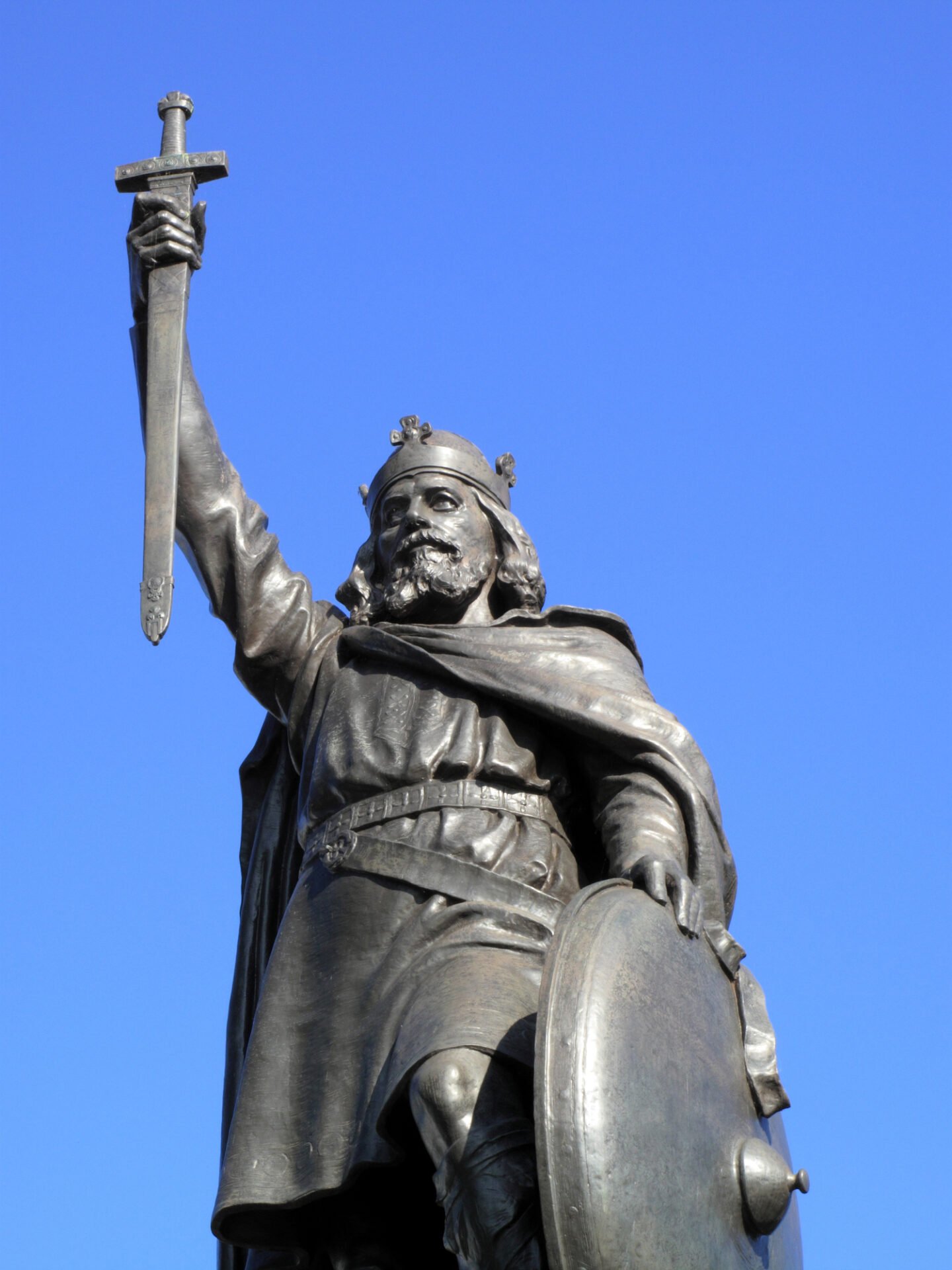
The Office of High Sheriff dates back over 1,100 years to Saxon times, emerging when Shires were first formed. The title “Sheriff” comes from “Shire Reeve” or the Anglo-Saxon “Scir-gerefa,” meaning the King’s local representative and is mentioned in the Anglo-Saxon Chronicles around 890. Records suggest that some Sheriffs led contingents at the Battle of Hastings in 1066.
11th – 12th Century
Norman England
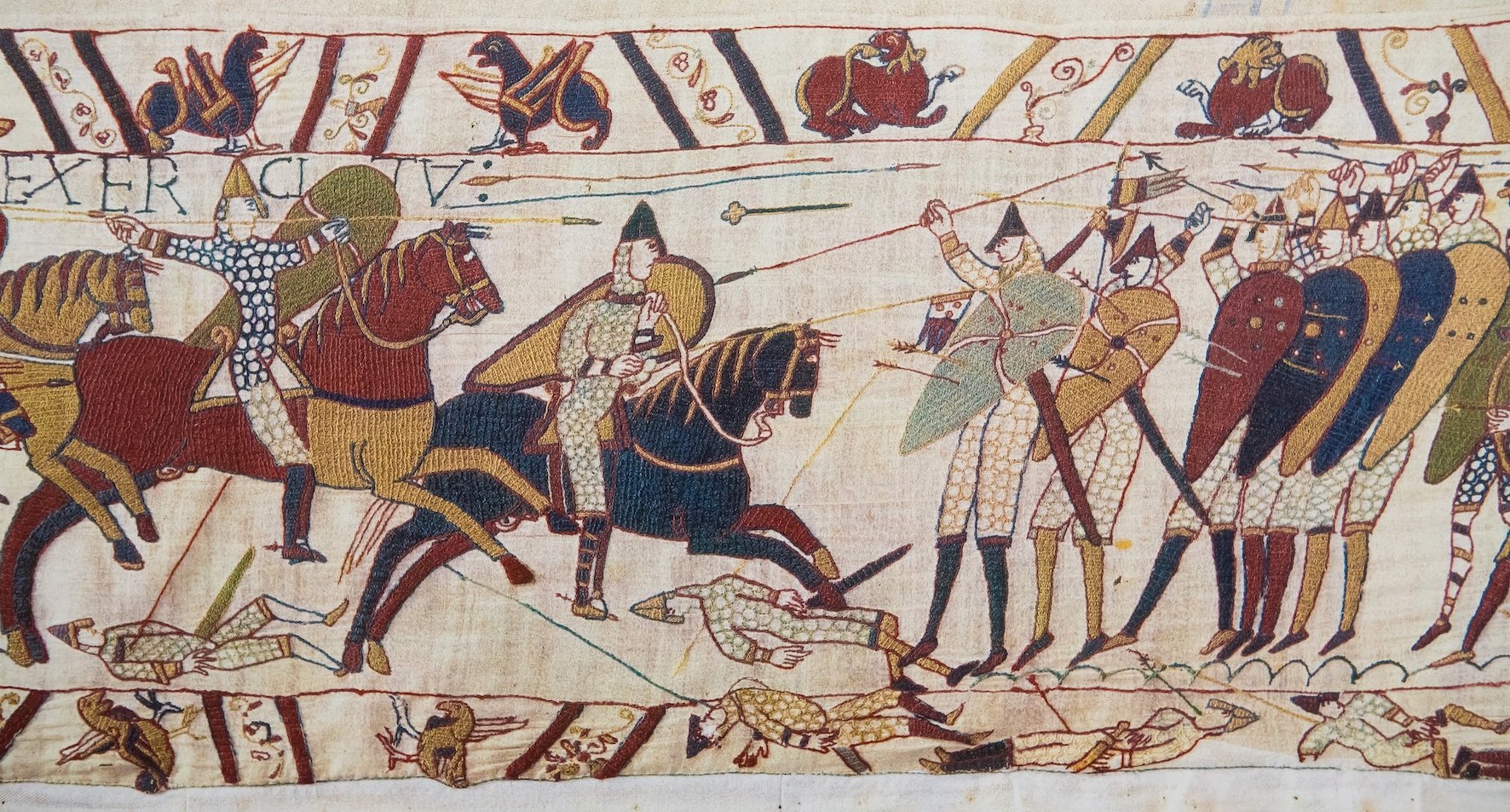
The Normans continued the Office and added to its powers. During the 11th and 12th centuries a High Sheriff’s powers were very extensive. They judged cases in the monthly court of the hundred (a sub-unit of the Shire); they had law enforcement powers and could raise the ‘hue and cry’ in pursuit of felons within their Shire; they could summon and command the ‘posse comitatus’ – the power of the county in the service of the Sovereign; they collected taxes and levies and all dues on Crown lands on behalf of the Crown and were in charge of Crown property in the Shire. High Sheriffs were the principal representatives and agents for the Crown and were very powerful in their own right.
13th Century
Magna Carta
The Sheriffs’ powers were gradually restricted over succeeding centuries. Under Henry I their tax collection powers went to the Exchequer, which also took on the function of auditing the Sheriffs’ accounts.
Henry II introduced the system of Itinerant Justices from which evolved the Assizes and the present day system of High Court Judges going out on Circuit.
The Sheriff remained responsible for issuing Writs, for having ready the Court, prisoners and juries, and then executing the sentences once they were pronounced.
It was also the Sheriff’s responsibility to ensure the safety and comfort of the Judges. This is the origin of the High Sheriff’s modern day duty of care for the well-being of High Court judges.
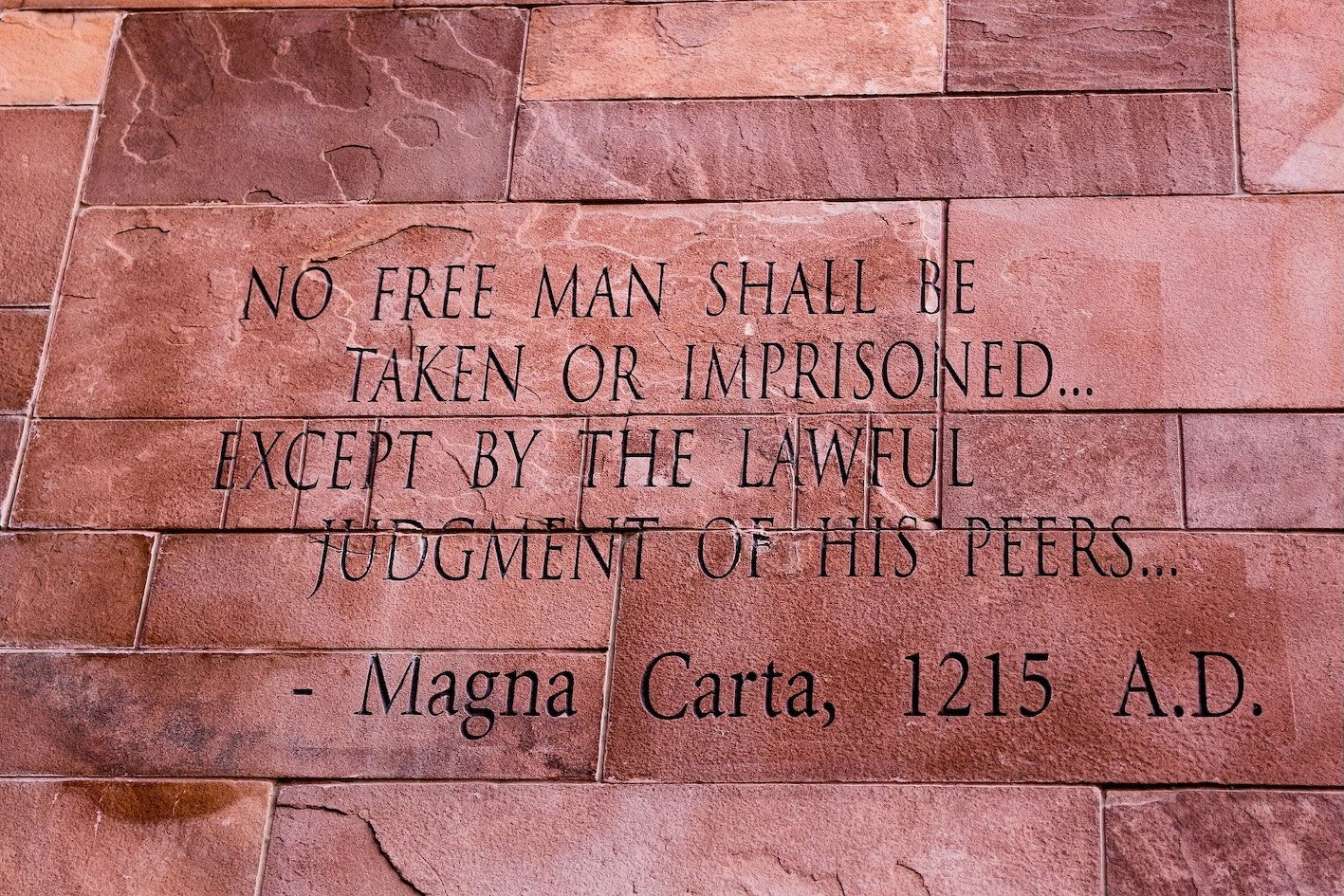
Of the 63 clauses in the Magna Carta of 1215, no fewer than 27 relate to the role of the Sheriff.
In the middle of the 13th century, more powers went to the newly created offices of Coroners and Justices of the Peace.
From 1254 the High Sheriff supervised the election to Parliament of two Knights of the Shire, the origin of the modern day duty to attend election counts.
15th – 18th Century
Tudor England
Under the Tudors Lord-Lieutenants were created as personal representatives of the Sovereign and the military function of the Sheriff was handed over to them.
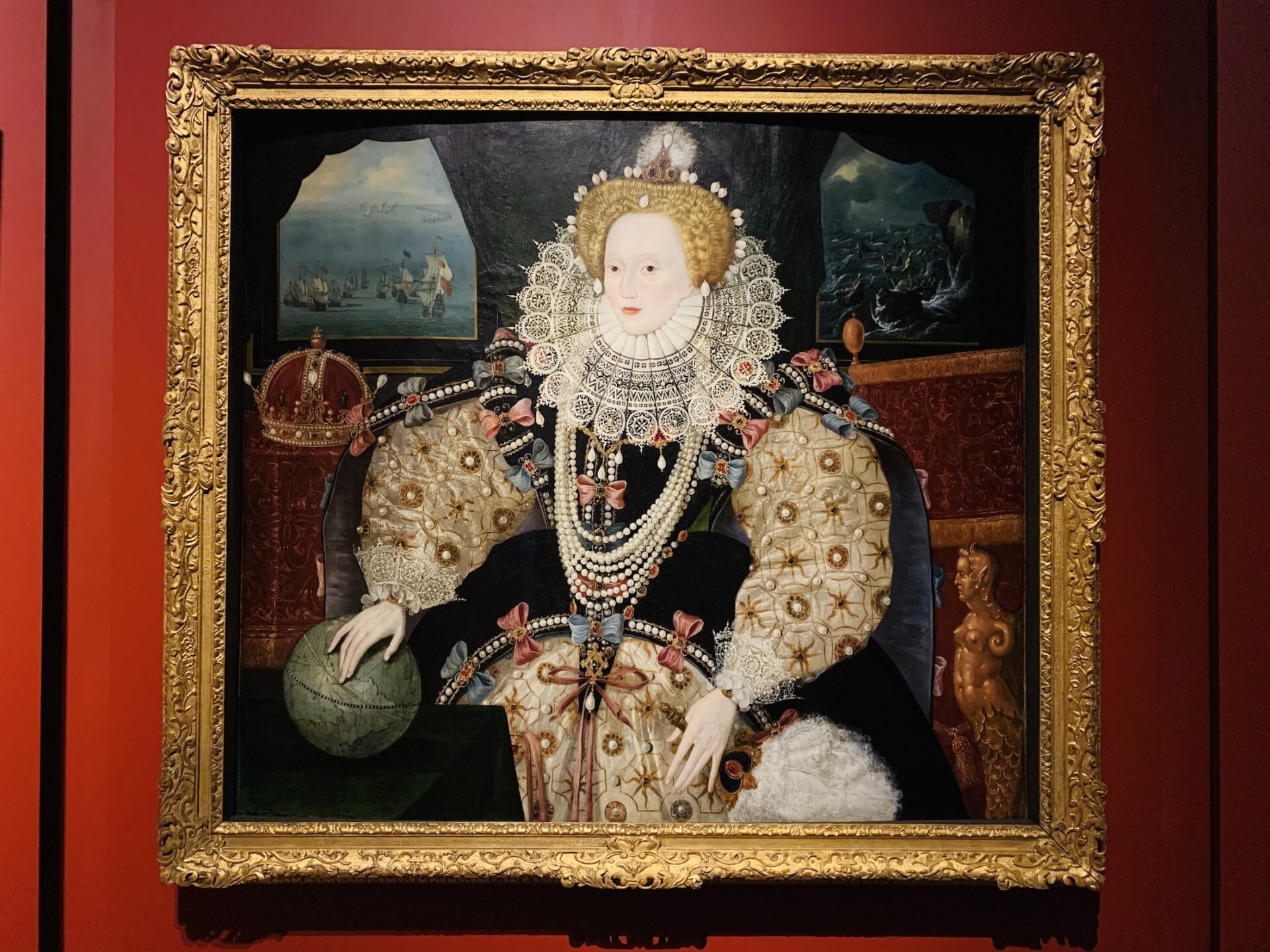
Queen Elizabeth I is generally believed to have originated the practice that continues to this day of the Sovereign choosing the High Sheriff by pricking a name on the Sheriffs’ Roll with a bodkin. It is said that she did this whilst engaged in embroidery in the garden. Sadly, this is a myth since there is a Sheriffs’ Roll dating from the reign of her grandfather Henry VII (1485-1508) on which the names were pricked through vellum.
The real reason for pricking through vellum was that the choice was not always a welcome honour due to the costs the incumbent was likely to have to shoulder and also the challenges faced in assessing and collecting taxes, particularly unpopular taxes such as Charles I’s demands for ship money in 1635.
A mark with a pen on vellum could easily be erased with a knife, but a hole in the vellum (which is made from calfskin) could not be removed or repaired invisibly. The potential expense to the incumbent of becoming High Sheriff was one of the reasons the role was for a single year only.
19th – 21st Century
The Modern Era
By Acts of 1856 and 1865 all of the Sheriffs’ powers concerning police and prisons passed to the Prison Commissioners and local Constabulary and under an Act of 1883 the care of Crown Property was transferred to the Crown Commissioners.
The Sheriffs Act of 1887 consolidated the law relating to the Office of High Sheriff and the Act remains in force to this day, though it has been amended a number of times. It confirmed that the Office should be held for one year only; that a Sheriff who was a Magistrate should not sit as such during the year of Office; and confirmed the historic process of nomination and selection by the Sovereign.